

20 Easy Perfume Layering Ideas for Beginners Who Want a Signature Scent
Perfume layering is an easy way to make your fragrance routine feel more personal without needing an enormous collection. By combining scents with complementary notes, you can create combinations that feel fresh, floral, creamy, warm, woody, or softly sweet depending on the mood you want. The key for beginners is to start with simple fragrance families rather than mixing too many contrasting scents at once.
These perfume layering ideas focus on approachable combinations you can experiment with using fragrances you already own. Try one scent as the main fragrance and use the second more lightly as an accent. You can also experiment with fragrance lotions or body mists when you want a softer effect.
1. Citrus + Clean Musk
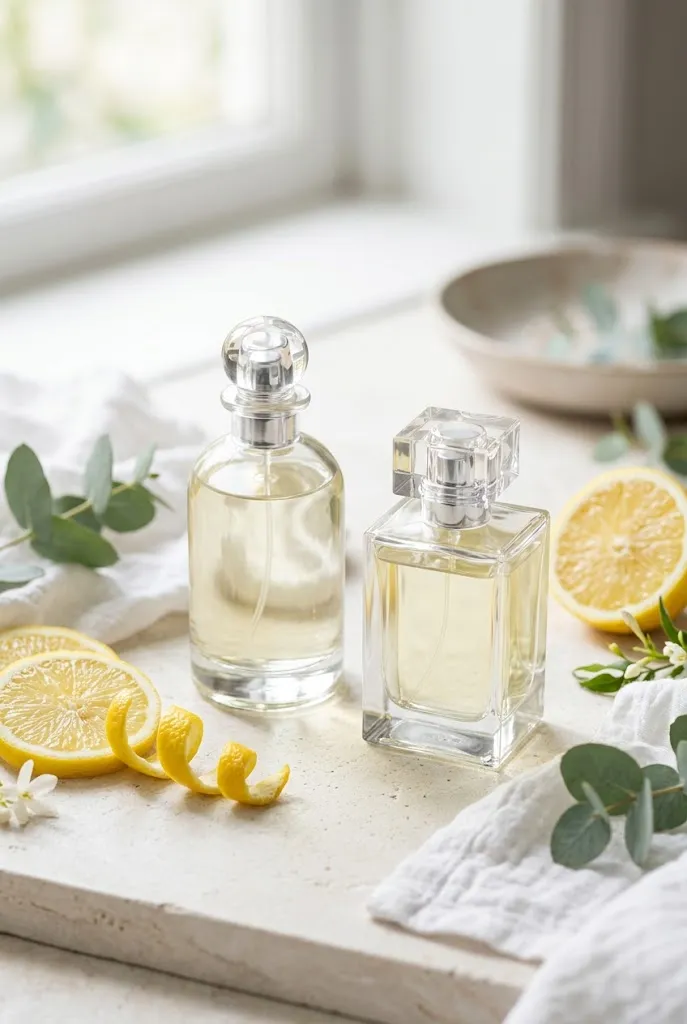
A bright citrus fragrance paired with a clean musk creates a fresh, polished combination that works particularly well for daytime. Think lemon, bergamot, orange, or grapefruit layered over a soft musky base.
The citrus provides the initial sparkle while musk gives the overall scent a smoother finish. Keep the citrus fragrance slightly lighter if you want the musk to remain noticeable.
Beginner Tip: Start with one spray of musk and add citrus afterward so you can adjust the brightness without overwhelming the combination.
2. Vanilla + Sandalwood
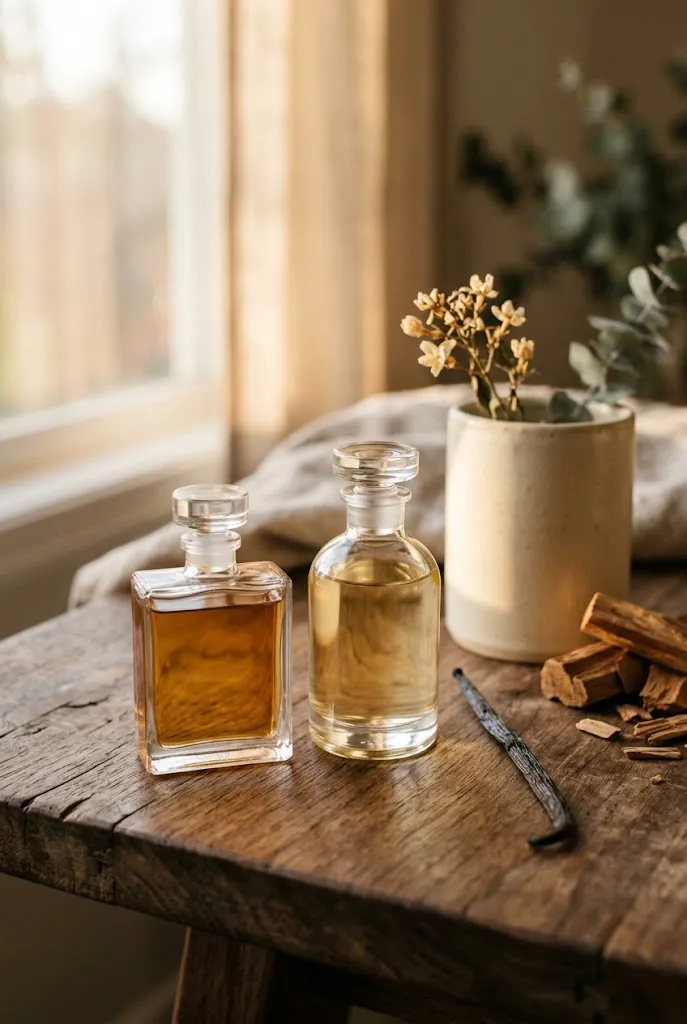
Vanilla and sandalwood make a naturally cozy pairing for anyone who enjoys warm fragrances. A creamy vanilla brings sweetness while sandalwood adds a dry, smooth woody character.
For beginners, this is an especially easy combination because both fragrances can work as supporting layers rather than competing for attention. Use sandalwood first and apply a smaller amount of vanilla over it.
Quick Tip: If the vanilla feels too sweet, increase the woody fragrance rather than adding another scent.
3. Rose + Fresh Citrus
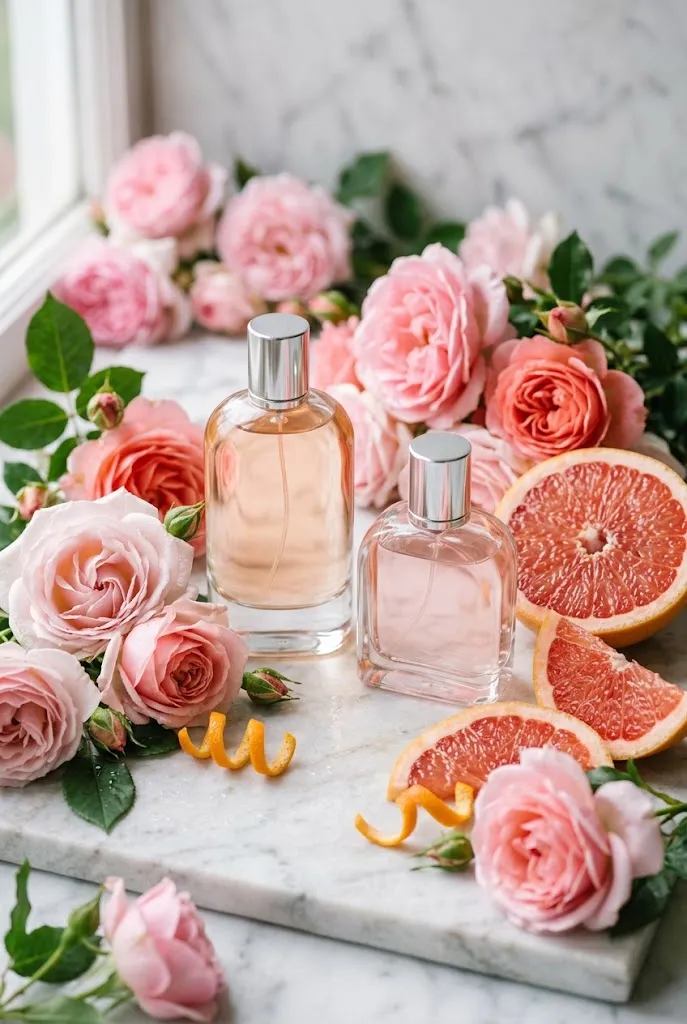
A rose fragrance doesn’t have to feel heavy or traditional. Layering it with a bright citrus scent can make the floral note feel lighter and more contemporary.
Try rose with grapefruit for a slightly sparkling effect, or pair it with orange for a softer fruity-floral direction. Apply the rose first and use citrus sparingly as the brighter top layer.
Best For: Daytime, spring, brunches, and occasions when you want a fresh floral impression.
4. Coconut + Vanilla
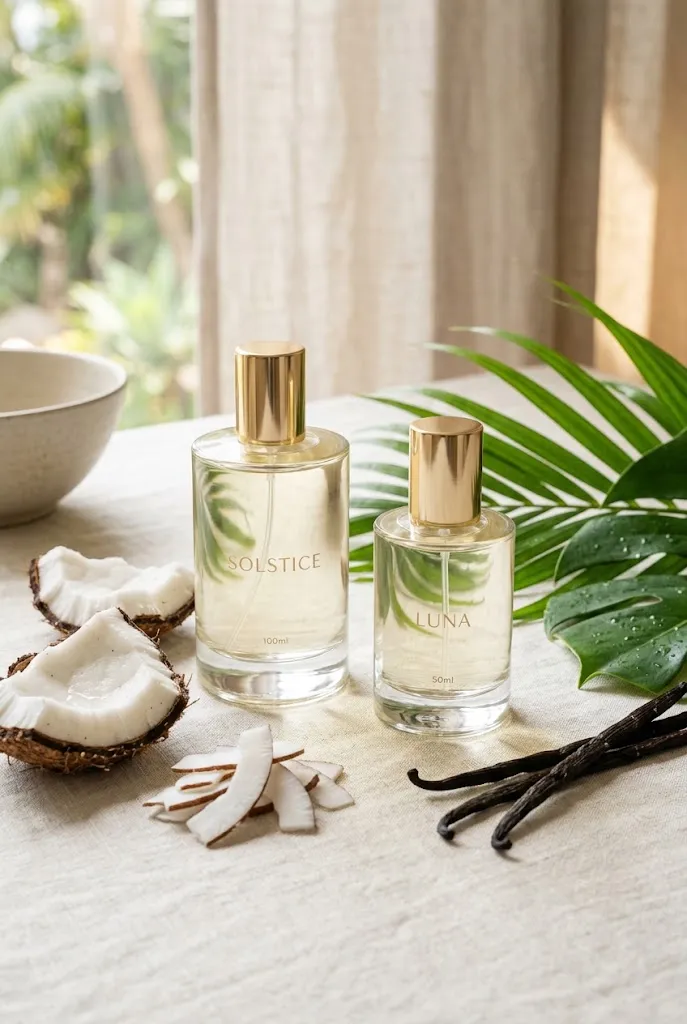
Coconut and vanilla create a creamy, relaxed scent profile that feels especially natural for warm-weather days. Coconut can give vanilla a breezier character while vanilla adds depth to the tropical note.
This pairing works well with a body mist and perfume combination, making it a simple place to begin if you’re new to layering.
Do / Don’t
- Do: Keep the vanilla layer subtle for a lighter result.
- Don’t: Add several additional sweet fragrances at the same time.
5. Lavender + Vanilla
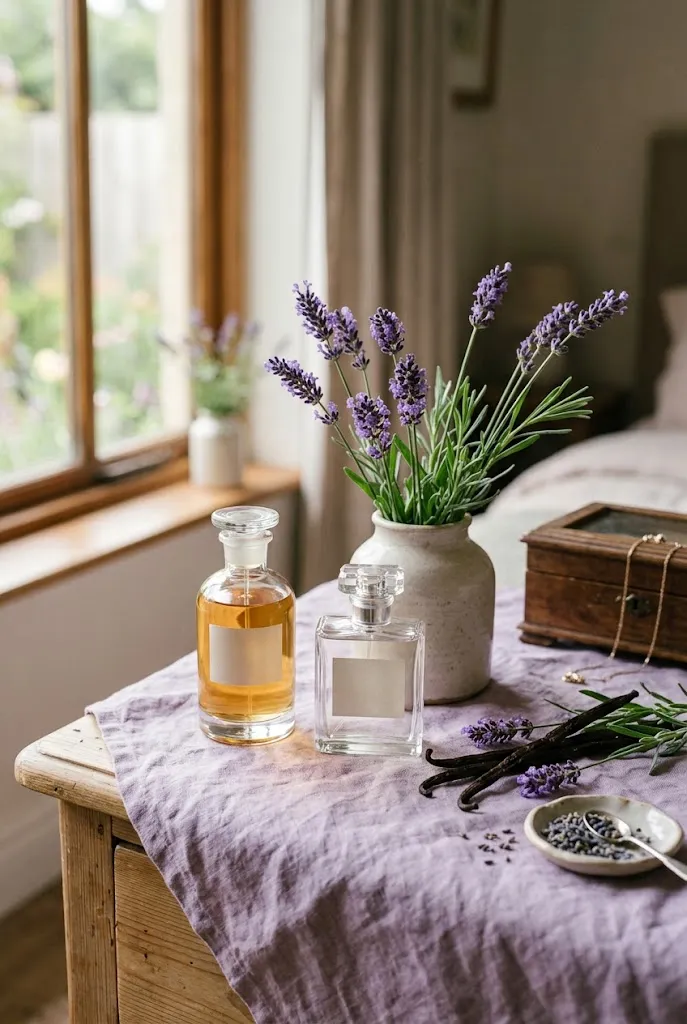
Lavender becomes softer and creamier when paired with vanilla. The result can feel calm, sweet, and comforting without requiring a complicated fragrance routine.
Use lavender as the main scent if you prefer something more aromatic, then add a light vanilla layer. If you prefer a sweeter profile, reverse the order.
Editor’s Note: The amount of each fragrance matters as much as the fragrance choice. Start light and build gradually.
6. Pear + White Musk
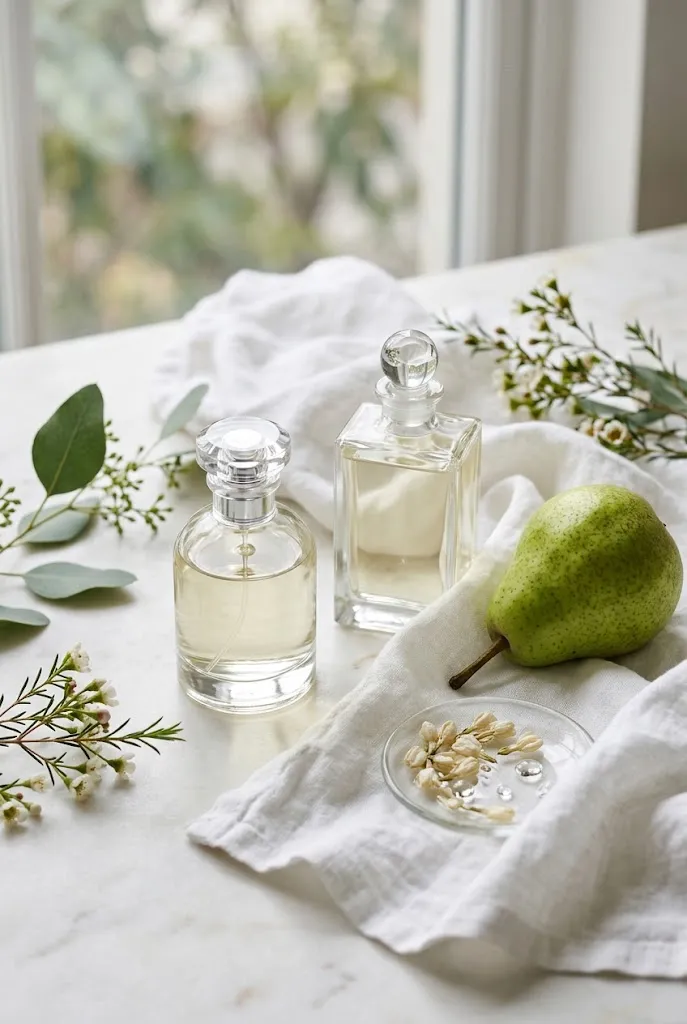
A juicy pear fragrance can become cleaner and more understated when layered with white musk. This combination is ideal if you like fruity scents but don’t want the result to feel overly sugary.
Apply musk first and add pear lightly over it. The result can work particularly well as an everyday fragrance because the two notes create contrast without becoming overly complicated.
7. Jasmine + Sandalwood
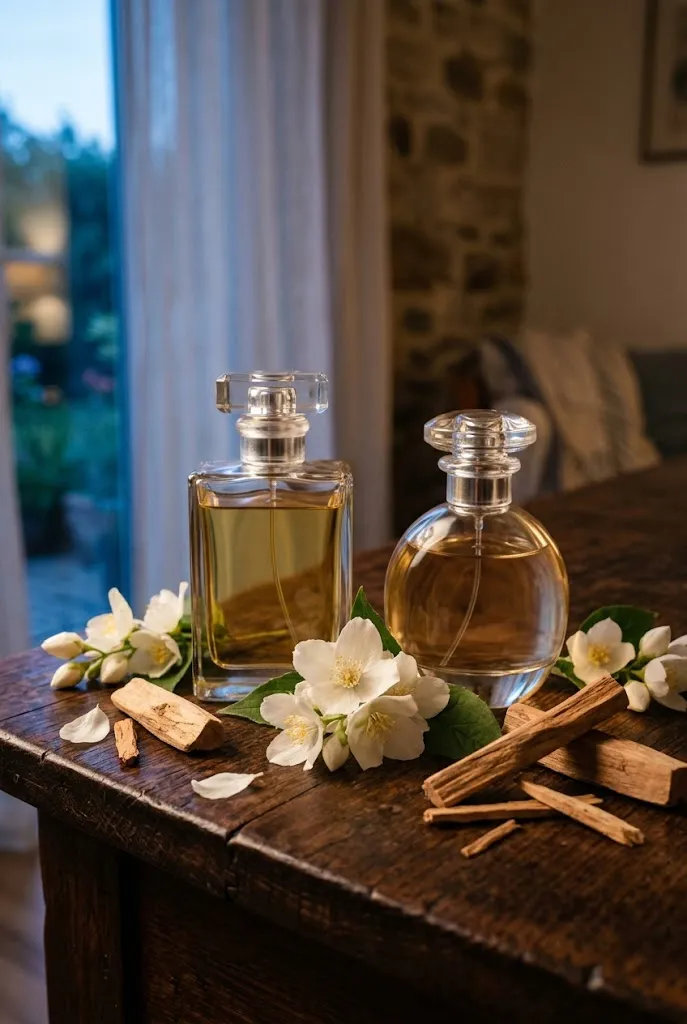
Jasmine brings a recognizable floral character while sandalwood adds warmth and structure. Together they create a balanced floral-woody direction that can work beautifully for evenings.
Keep jasmine as the dominant fragrance if you enjoy florals, or reverse the balance for a warmer, woodier result.
Layering Order: Sandalwood first, jasmine second.
8. Orange + Vanilla
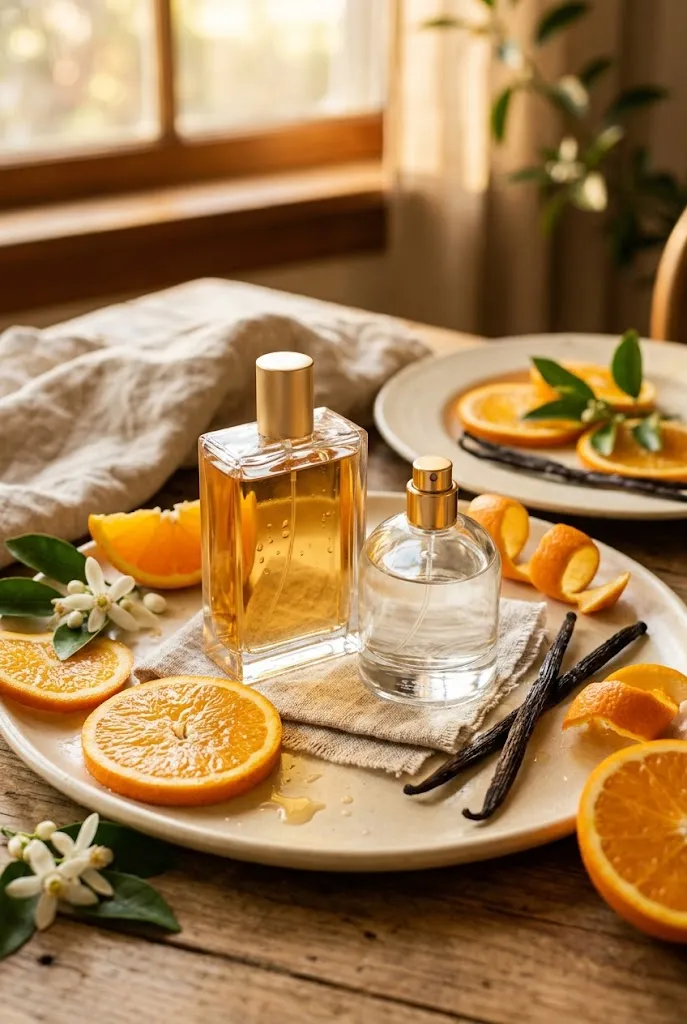
Orange and vanilla create a cheerful citrus-gourmand combination. The orange adds brightness while vanilla gives the fragrance a creamy foundation.
For a daytime version, use more orange. For an evening interpretation, make vanilla the stronger layer.
This is also a useful beginner combination because both fragrance families are easy to recognize individually.
9. Green Tea + Citrus
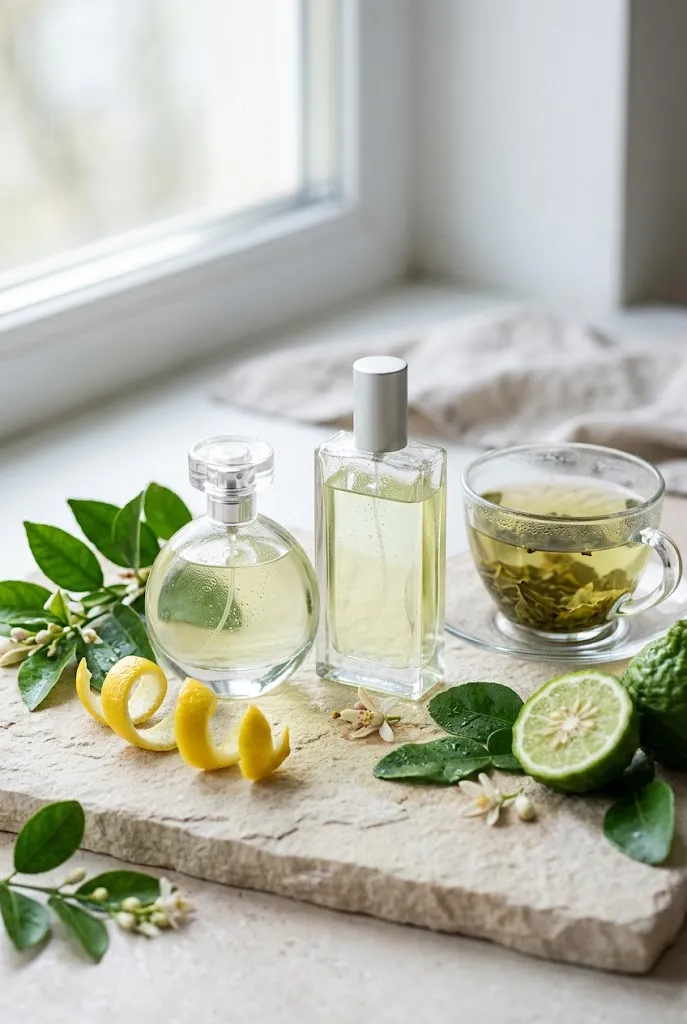
Green tea and citrus are a useful choice when you want a fragrance combination that feels crisp and refreshing. Lemon, bergamot, or grapefruit can add brightness to a tea-inspired fragrance.
Try this pairing after a shower or as part of a simple daytime fragrance routine. Keep the citrus layer light so the green tea character remains noticeable.
Quick Tip: This combination works particularly well when you want something understated rather than heavily sweet.
10. Peony + Soft Musk
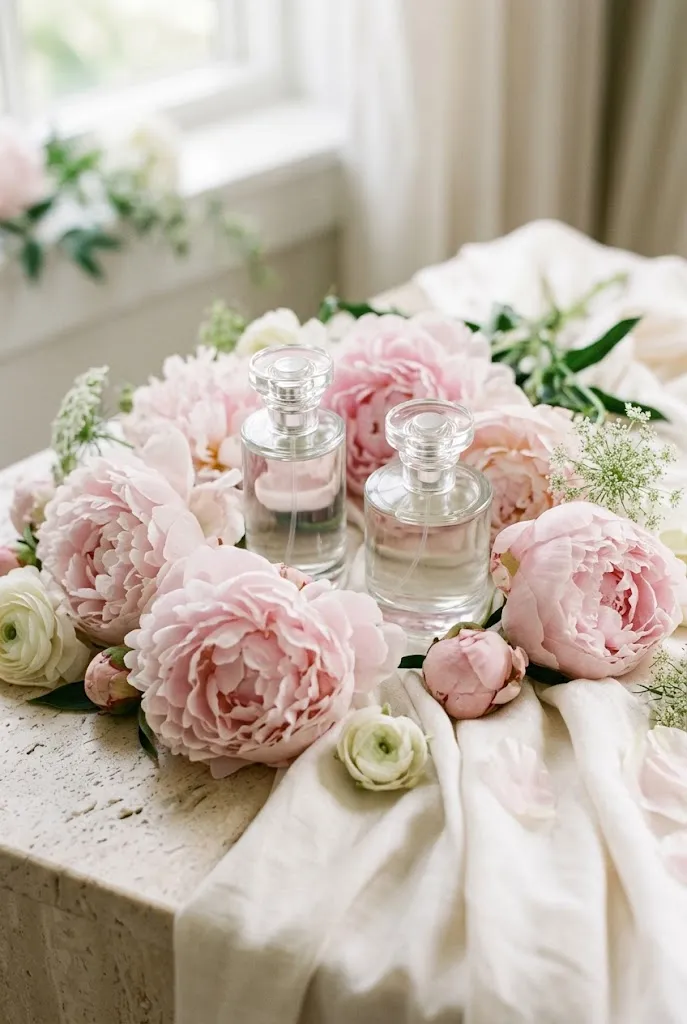
Peony and soft musk create a gentle floral combination with a clean finish. It’s particularly approachable if strong floral perfumes feel overwhelming.
Use peony as the primary fragrance and add musk in a smaller amount. The musk can help give the floral scent a softer overall character without introducing another strong note.
11. Bergamot + Cedarwood
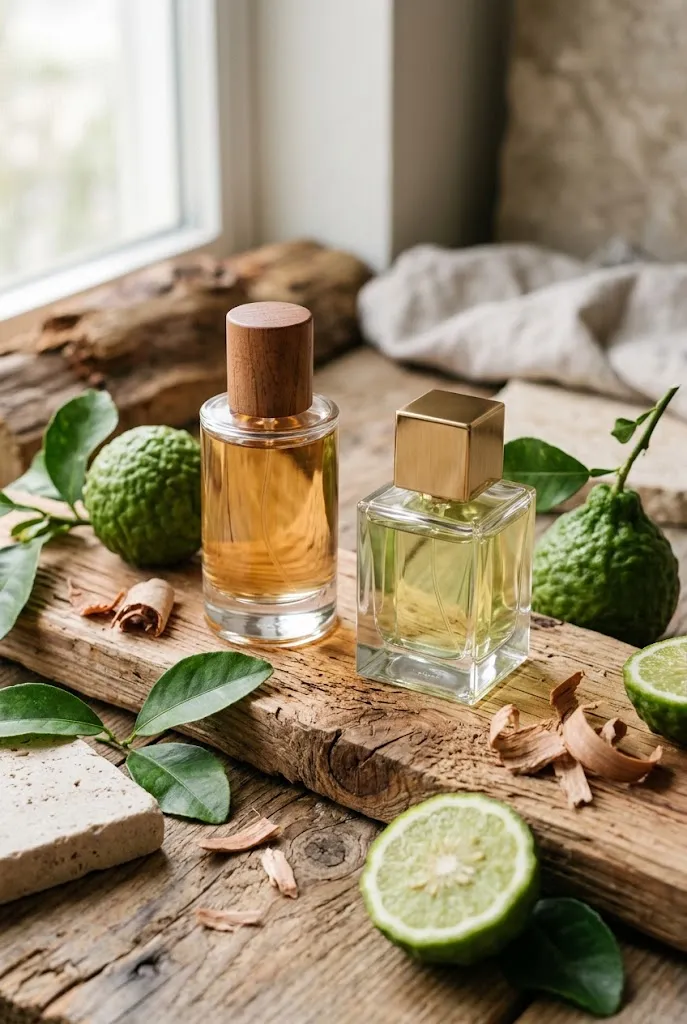
Bergamot and cedarwood offer a fresh-meets-woody combination. The citrusy brightness of bergamot can soften the drier character of cedarwood, while the wood keeps the result grounded.
This pairing can be especially appealing if you’re looking for something less sweet. Start with cedarwood and add bergamot lightly afterward.
Best For: Everyday wear, cooler mornings, casual outfits, and minimalist fragrance preferences.
12. Cherry + Vanilla
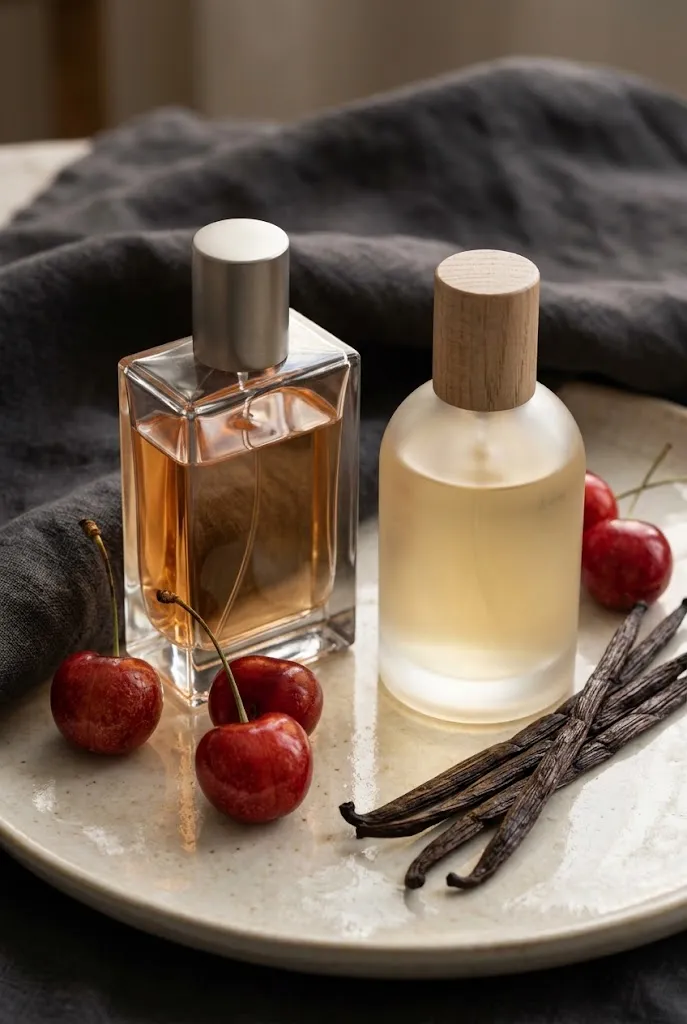
Cherry and vanilla lean into a sweeter, playful fragrance direction. The fruity cherry note gives vanilla more personality, while vanilla can soften the sharper side of a fruit-forward scent.
Because both can be noticeable, begin with one as the main fragrance and use the other sparingly.
Common Mistake: Applying equal amounts of two strong sweet fragrances immediately.
Better Approach: Choose a dominant scent and treat the second fragrance as an accent.
13. Neroli + White Musk
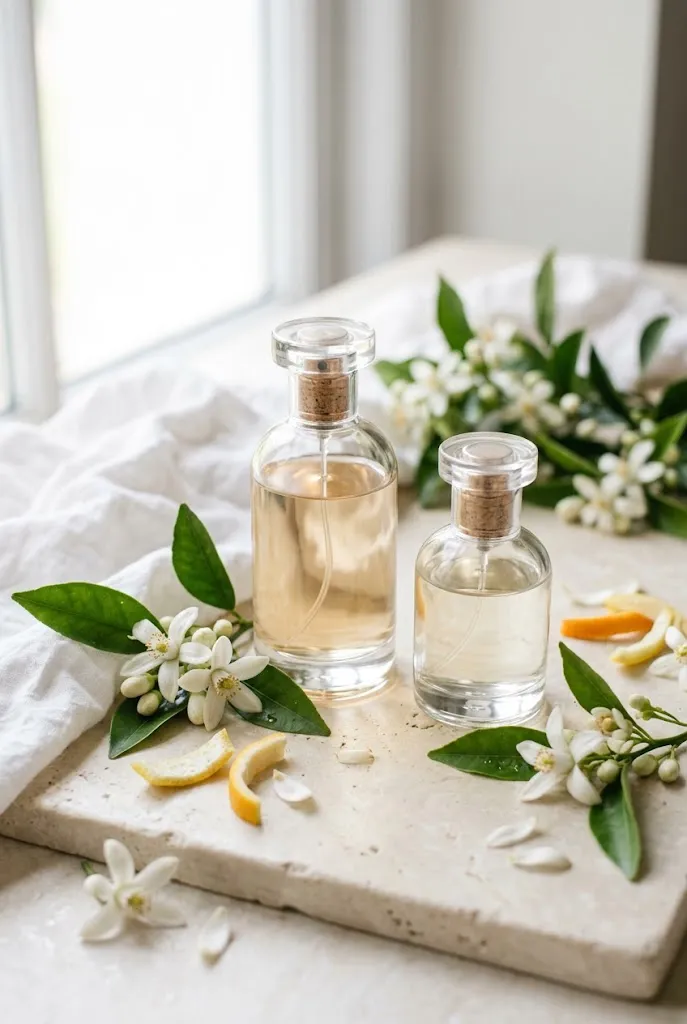
Neroli’s bright floral-citrus character pairs naturally with a clean musk. The combination feels airy rather than dense and can work well when you want a fragrance that stays relatively understated.
Apply white musk as the foundation and add neroli on top. This approach lets the floral note provide the first noticeable impression while the musk supports the overall composition.
14. Apple + Vanilla
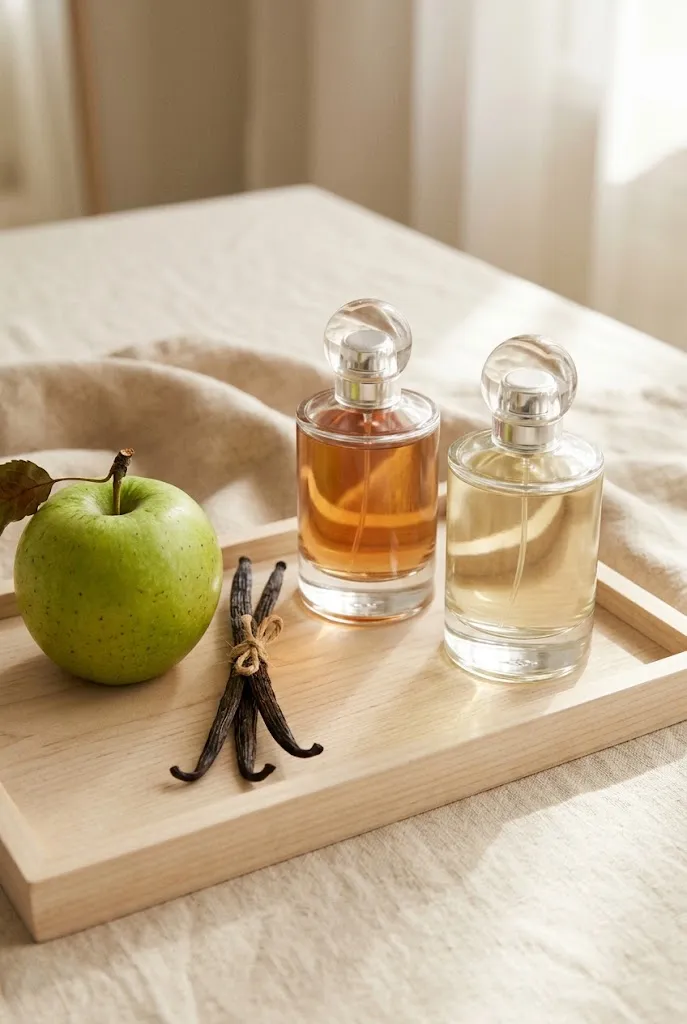
Fresh apple and creamy vanilla create a fruity combination with a soft gourmand edge. Green apple can keep the pairing crisp, while a sweeter apple fragrance will make the result feel warmer.
Try vanilla first when you want a creamy base, then add apple in a lighter layer.
Layering Formula:
Vanilla base → apple accent → pause and assess → add one more light spray only if needed.
15. Fig + Amber
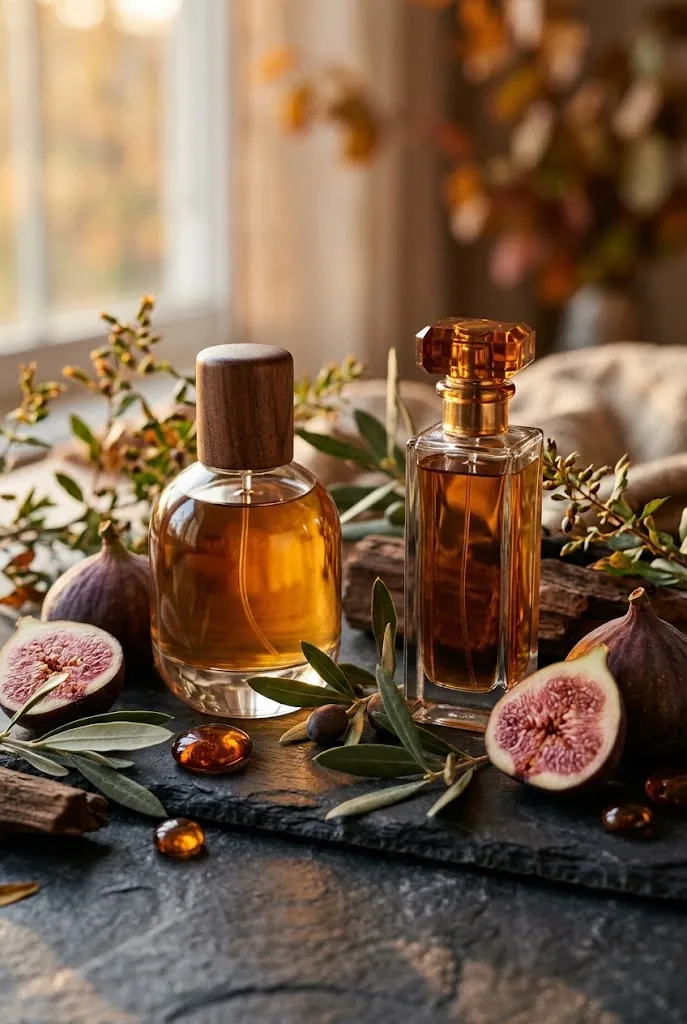
Fig and amber create a warmer, richer combination with a slightly sophisticated feel. Fig can bring a green-fruity character while amber adds warmth and depth.
Because amber-style fragrances can be prominent, use a lighter amount when layering. This combination can be especially appealing for fall evenings or dressed-up occasions.
Do / Don’t
- Do: Let one fragrance clearly lead.
- Don’t: Add another heavy woody or sweet fragrance immediately.
16. Freesia + Pear
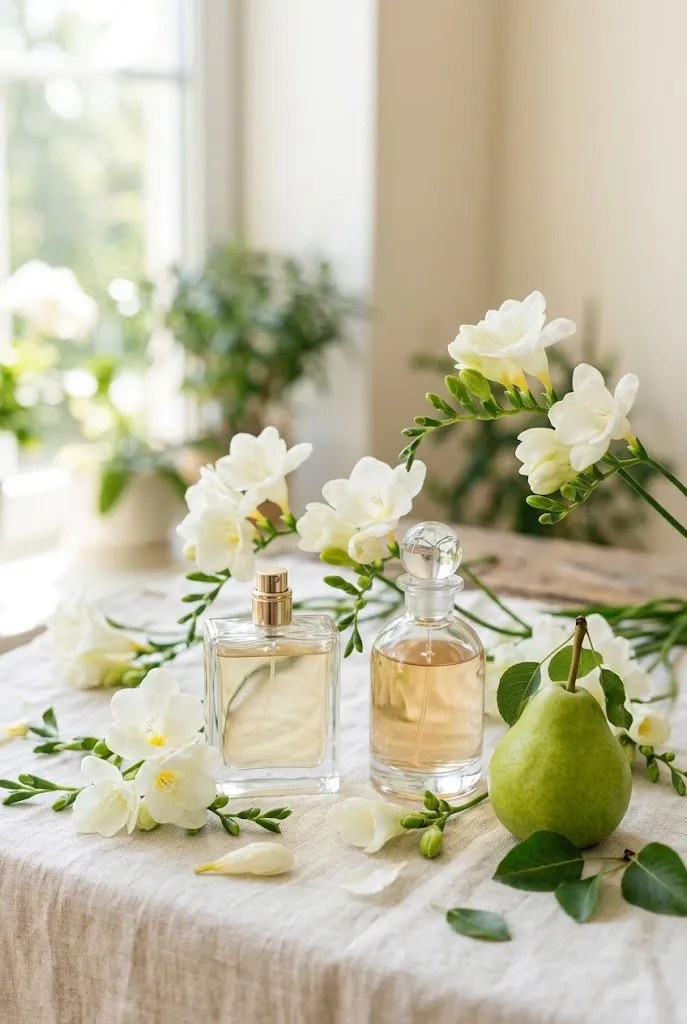
Freesia and pear create a bright floral-fruity combination that feels light and cheerful. The juicy quality of pear gives the floral fragrance a modern freshness without making the pairing complicated.
This is a useful option for beginners who prefer fruity florals. Keep the pear layer subtle if your freesia fragrance already has a strong fruity character.
17. Coffee + Vanilla
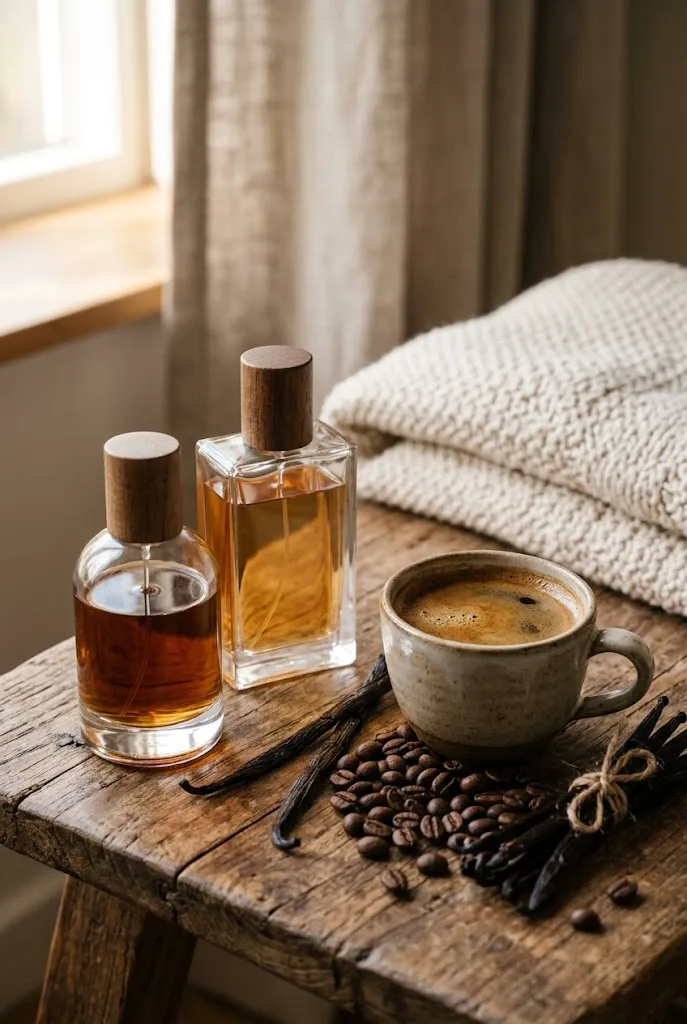
Coffee and vanilla make a warm, cozy combination for anyone who enjoys richer gourmand fragrances. Coffee contributes a roasted character while vanilla softens the overall impression.
Because both notes can be strong, begin with a small amount of each. This pairing is particularly suited to evenings, colder weather, and cozy settings.
Quick Tip: If the result feels too sweet, use more of the coffee fragrance and less vanilla.
18. Peach + Jasmine
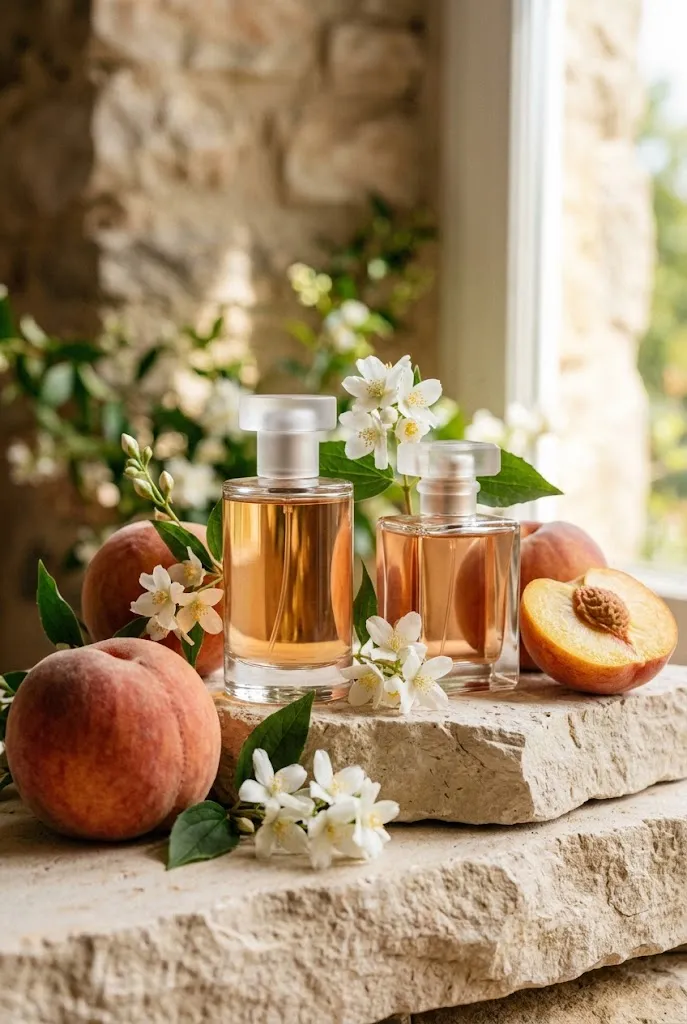
Peach and jasmine balance fruity sweetness with a more pronounced floral character. The result can feel bright without relying on several different fragrance notes.
Start with jasmine if you want the floral note to lead. Use peach as the lighter finishing layer.
Best For: Spring and summer days, daytime events, lunches, and floral-fruity fragrance lovers.
19. Lavender + Cedarwood
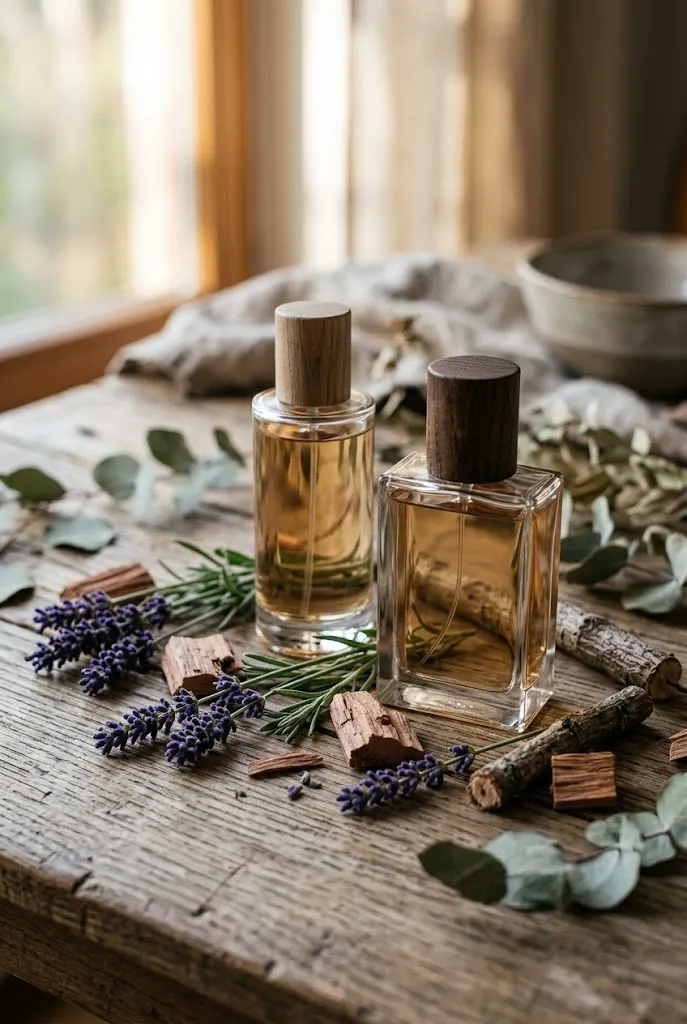
For a less sweet option, combine lavender with cedarwood. Lavender gives the fragrance an aromatic floral quality while cedarwood adds a dry woody foundation.
This pairing is especially useful if you want to experiment beyond fruity and gourmand combinations. Use cedarwood lightly at first, since woody fragrances can quickly become the dominant layer.
Editor’s Note: Layering is about balance rather than making every note equally strong. One fragrance can provide the foundation while the other acts as an accent.
20. Vanilla + Amber + A Touch of Citrus
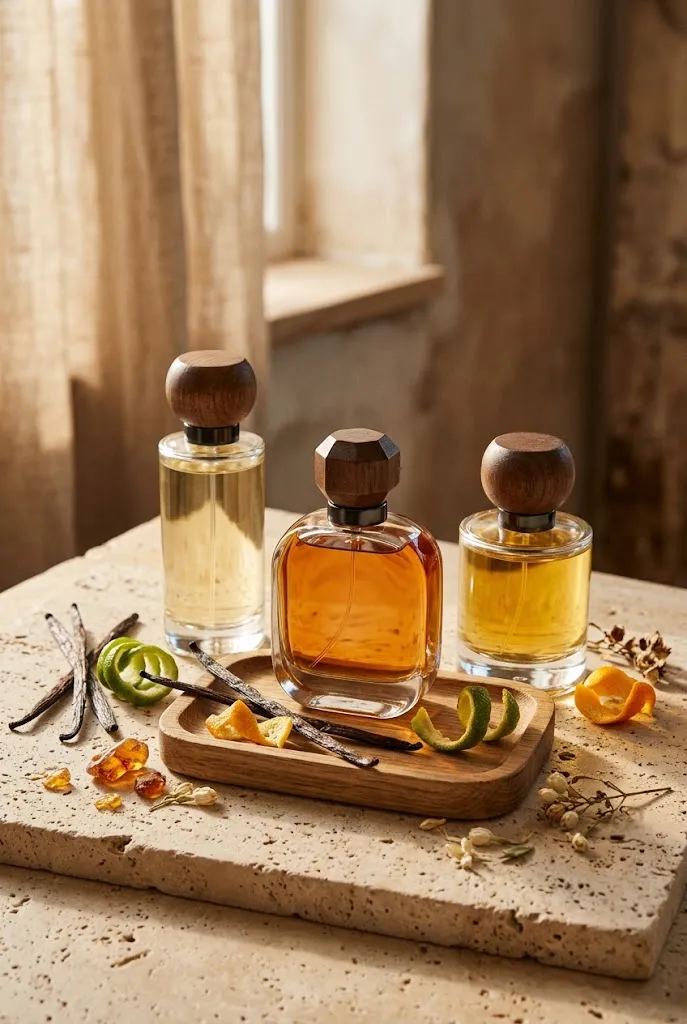
Once you’re comfortable with two-scent combinations, try a simple three-layer approach. Vanilla provides creaminess, amber contributes warmth, and a small amount of citrus adds brightness.
The important part is restraint. Use vanilla and amber as the main foundation, then add only a little citrus to keep the combination from becoming too heavy.
3-Step Beginner Method
- Apply a light layer of vanilla.
- Add a smaller amount of amber to create warmth.
- Finish with a single light citrus spray.
Give the combination a few moments before deciding whether you want another layer.
How to Start Perfume Layering Without Overcomplicating It
You don’t need a large fragrance collection to experiment. Start with two scents that belong to different but compatible fragrance families, such as citrus and musk or vanilla and wood.
A simple approach is to choose one fragrance as the foundation and another as the accent. Apply the foundation first, then add a smaller amount of the second fragrance. Give the combination some time before deciding whether you want more.
Keep a quick note of combinations you enjoy. Over time, you’ll learn which fragrances work well together and which ones are better worn alone.
The goal isn’t to make the strongest possible fragrance. It’s to find combinations that feel natural to you and can become part of your own signature scent routine.