

25 Korean-Inspired Skincare Routine Ideas for Dewy, Glass-Like Skin
Korean skincare is known for its gentle approach, hydrating formulas, and focus on maintaining a healthy skin barrier. Instead of relying on harsh treatments or complicated routines, the goal is to keep skin clean, hydrated, balanced, and protected.
The popular glass-skin look refers to skin that appears smooth, plump, fresh, and naturally radiant. While everyone’s skin is different, a consistent skincare routine can help improve hydration and support a healthy-looking complexion.
You do not need ten products to achieve a dewy glow. Start with the basics, choose products suited to your skin type, and introduce new ingredients gradually. These 25 Korean-inspired skincare routine ideas offer practical ways to build a routine that works for your skin and lifestyle.
1. Start with Gentle Double Cleansing
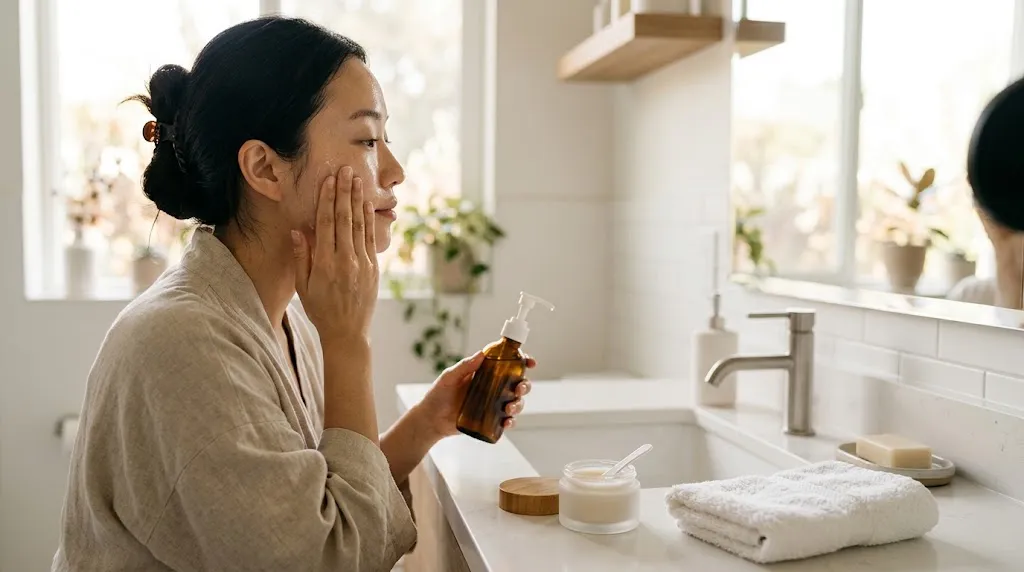
Double cleansing is a popular Korean skincare technique, especially for removing makeup, sunscreen, and excess oil at the end of the day. It involves using an oil-based cleanser followed by a gentle water-based cleanser.
The first cleanser helps dissolve sunscreen and makeup, while the second removes remaining dirt and residue. Choose formulas that rinse clean without leaving your skin feeling tight or dry.
Double cleansing is most useful in the evening. In the morning, a gentle cleanser or simply rinsing with water may be sufficient, depending on your skin type.
2. Add a Hydrating Toner
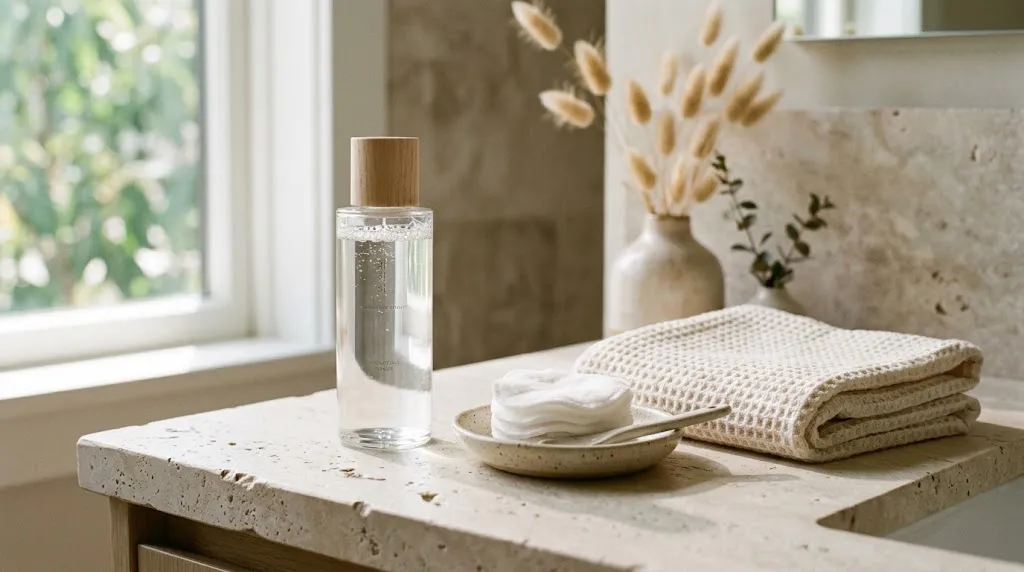
A hydrating toner can help replenish moisture after cleansing and prepare your skin for the next steps. Unlike traditional astringent toners, Korean-inspired hydrating toners often focus on soothing and moisturizing the skin.
Look for ingredients such as glycerin, panthenol, hyaluronic acid, or soothing plant extracts. Apply a small amount with clean hands and gently press it into your skin.
If your skin feels tight after washing, a hydrating toner may be a useful addition to your routine.
3. Use a Lightweight Essence
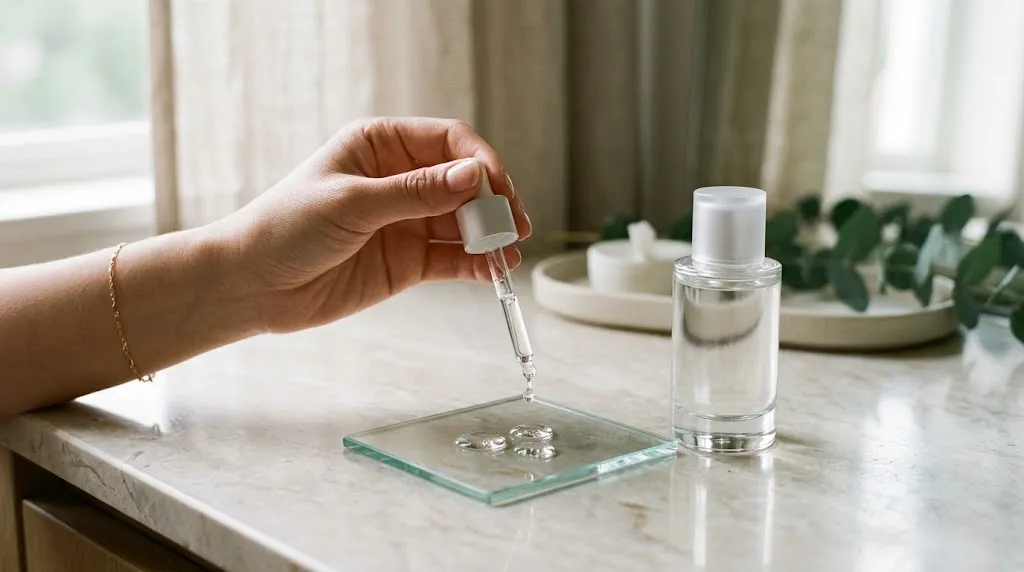
Essences are commonly associated with Korean skincare because they focus on hydration and skin comfort. Their textures are often lighter than creams but more substantial than water.
Choose an essence that supports your main skincare goal, whether that is hydration, soothing, or improving the appearance of dull skin.
Apply it after cleansing and toner, if you use one. You can start with a single layer and adjust according to how your skin feels.
4. Try a Hyaluronic Acid Serum
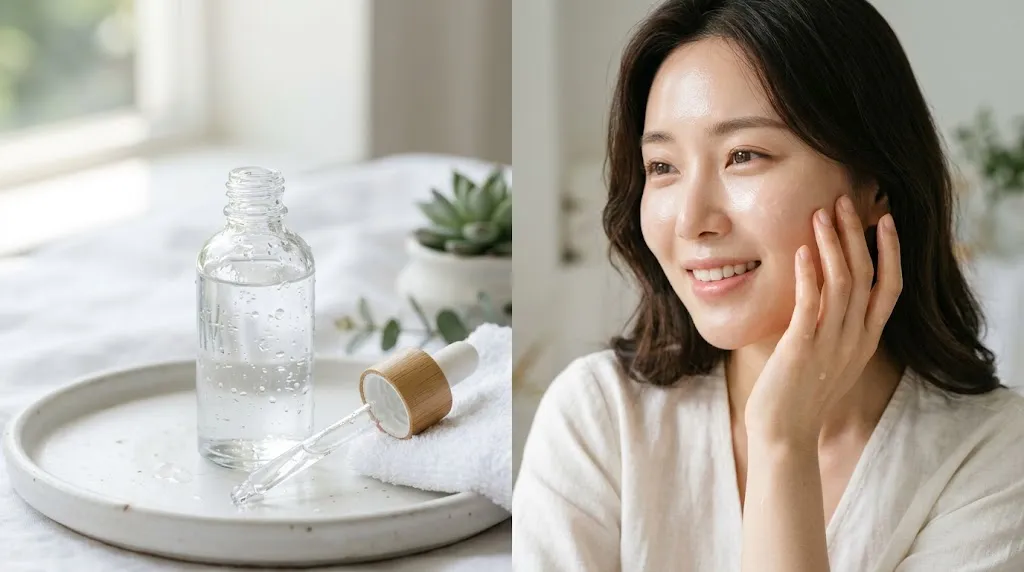
Hyaluronic acid is a humectant that helps attract and retain water in the skin. It can make dehydrated skin appear plumper and temporarily soften the appearance of fine lines caused by dryness.
Apply a small amount to slightly damp skin, then follow with a moisturizer to help reduce moisture loss.
More serum does not necessarily mean better results. A simple, well-formulated product used consistently is often enough.
5. Incorporate Centella Asiatica for Soothing Care
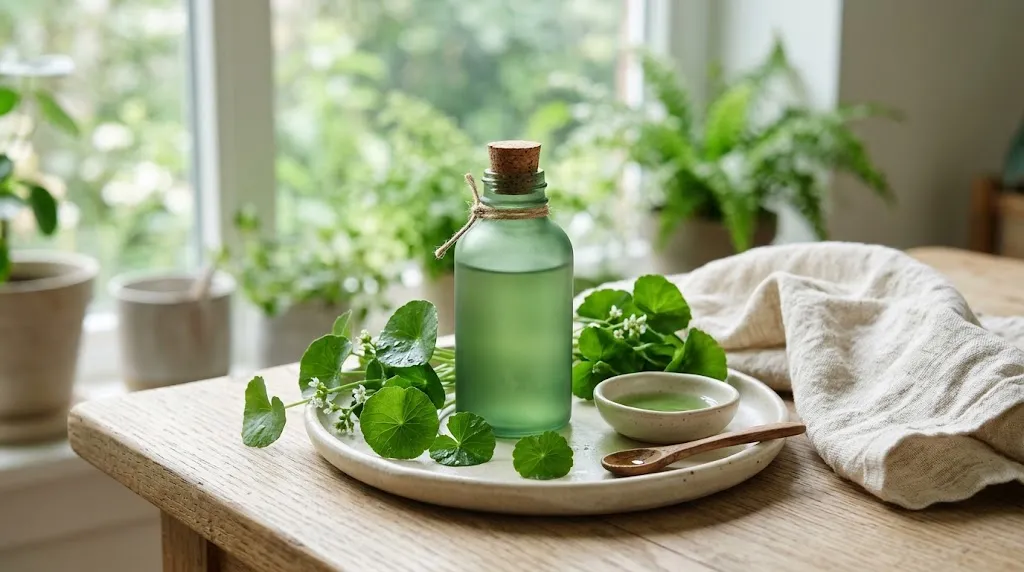
Centella asiatica, sometimes called cica, is a popular ingredient in Korean skincare products designed for sensitive or easily irritated skin.
Depending on the formulation, centella products may help soothe visible redness and support the skin barrier. They are available in serums, creams, toners, and masks.
Choose a gentle formula and introduce it gradually, especially if your skin reacts easily to new products.
6. Choose a Moisturizer That Suits Your Skin
Moisturizer is an important part of a glass-skin routine because it helps maintain hydration and supports the skin barrier.
Gel moisturizers may feel comfortable on oily skin, while richer creams can be helpful for dry skin. Combination skin may benefit from a lightweight lotion that hydrates without feeling heavy.
Look for ingredients such as ceramides, glycerin, and panthenol. Apply moisturizer after water-based serums and essences to help keep your skin comfortable and hydrated.
7. Make Sunscreen Your Morning Essential
Daily sunscreen is one of the most important steps in a skincare routine. Sun exposure contributes to premature skin aging, uneven pigmentation, and other forms of skin damage.
Choose a broad-spectrum sunscreen with SPF 30 or higher that feels comfortable enough for everyday use. Apply it as the final step of your morning skincare routine before makeup.
Use an adequate amount and reapply approximately every two hours when outdoors, as well as after swimming or heavy sweating. Sunscreen helps protect your skin while other skincare products support its appearance.
8. Enjoy a Hydrating Sheet Mask
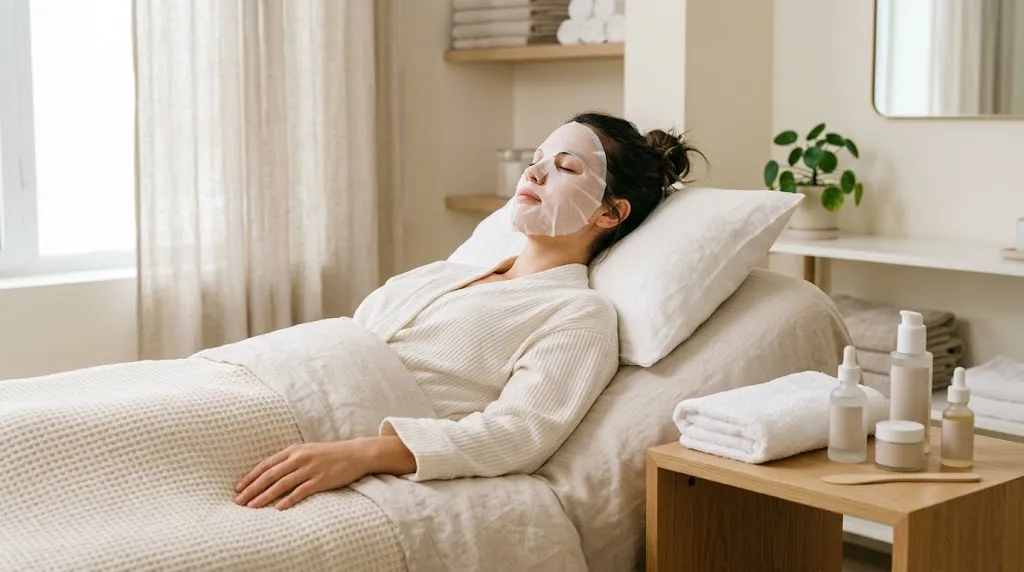
Sheet masks are a convenient way to add a temporary boost of hydration to your skincare routine. Many Korean sheet masks contain humectants and soothing ingredients that leave skin feeling soft and refreshed.
Use a sheet mask according to the product instructions, and remove it before it begins to dry out. Gently pat in any remaining essence and finish with moisturizer if needed.
Sheet masks are optional rather than essential. They can be a relaxing addition when your skin feels dehydrated, but they do not replace your regular skincare routine.
9. Explore the Seven-Skin Method Carefully
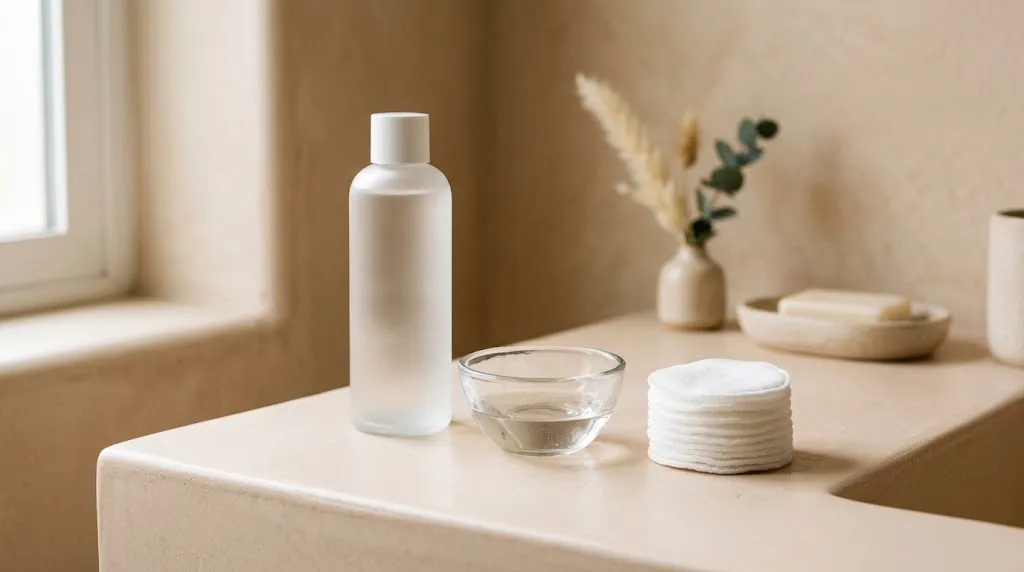
The seven-skin method traditionally involves applying several thin layers of a hydrating toner or essence. The idea is to build hydration gradually rather than applying one heavy layer.
You do not need to use exactly seven layers. Start with one layer and add another only if your skin tolerates it comfortably.
Choose a lightweight, fragrance-free formula if you have sensitive skin. Too many layers can feel sticky or cause irritation, especially when products contain ingredients your skin does not tolerate.
10. Add an Emulsion for Lightweight Hydration
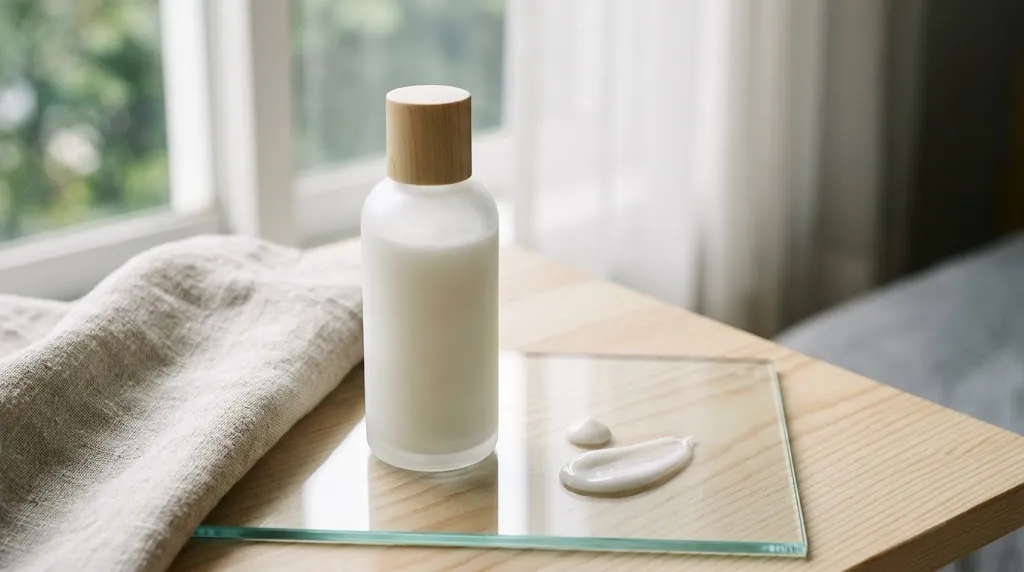
An emulsion is a lightweight moisturizing product that usually has a thinner texture than a traditional cream. It can be useful for people who want additional hydration without a heavy finish.
Apply it after lighter treatment products and before a thicker moisturizer, depending on the product instructions.
Emulsions can be particularly appealing for combination skin or for use in warm, humid weather. However, if your moisturizer already provides enough hydration, adding another layer may not be necessary.
11. Focus on Skin Barrier Support
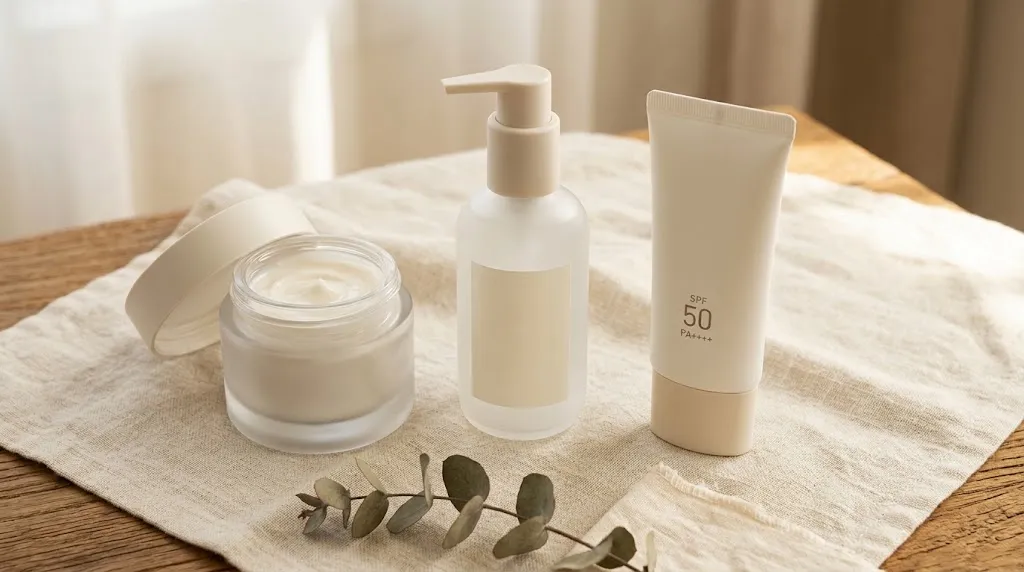
A healthy skin barrier helps retain moisture and protect the skin from external irritants. When the barrier is compromised, skin may feel tight, flaky, sensitive, or uncomfortable.
A barrier-supporting routine can include a gentle cleanser, a moisturizer containing ceramides or other moisturizing ingredients, and daily sunscreen.
Avoid combining too many exfoliating acids, retinoids, or other potentially irritating treatments at once. If your skin becomes irritated, simplify your routine and allow it to recover before introducing more active ingredients.
12. Consider Niacinamide for a More Even-Looking Complexion
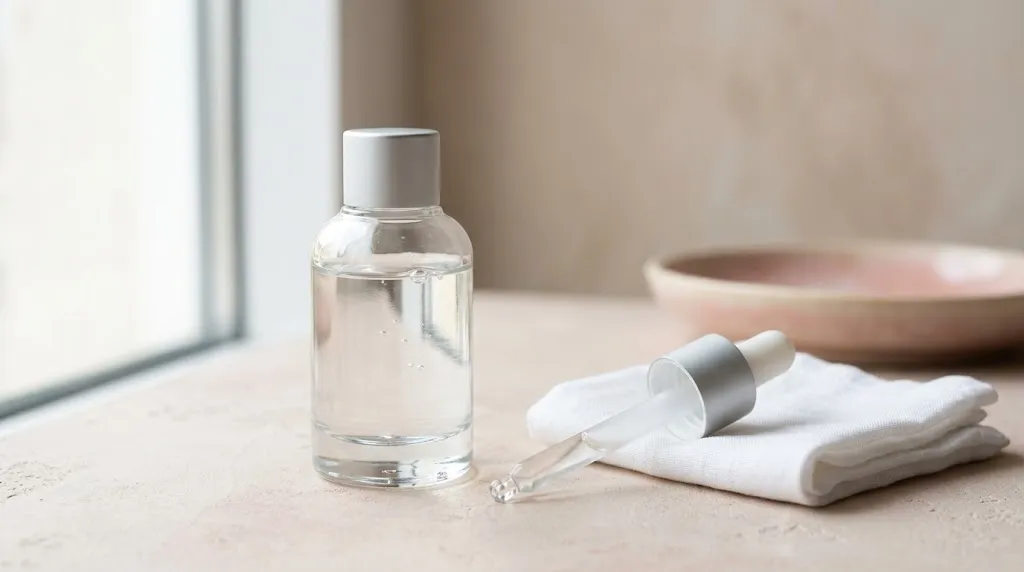
Niacinamide, a form of vitamin B3, is used in skincare products to support the skin barrier and improve the appearance of uneven skin tone. It may also help some people manage excess oil.
If you are new to niacinamide, consider starting with a lower concentration rather than choosing the strongest formula available.
Apply it according to the product instructions and follow with moisturizer. Consistent use is more important than using a highly concentrated product that causes discomfort.
13. Exfoliate Gently and Infrequently
Exfoliation can help remove accumulated dead skin cells and improve the appearance of rough texture. Korean-inspired routines generally emphasize a balanced approach rather than aggressive scrubbing.
Depending on your skin type, a gentle chemical exfoliant may be an option. Begin with infrequent use and follow the product directions.
Avoid exfoliating when your skin is irritated, sunburned, or unusually sensitive. Do not combine several strong exfoliating products in one routine, and wear sunscreen during the day.
14. Try an Overnight Sleeping Mask
A sleeping mask is a moisturizing product designed to be used as the final step of an evening skincare routine. Some formulas provide a richer layer of hydration than a regular moisturizer.
Apply it according to the instructions, either in place of your usual moisturizer or over it if the product is designed for layering.
Sleeping masks can be helpful when your skin feels dry, particularly in air-conditioned environments. They are optional, and a regular moisturizer may provide all the hydration you need.
15. Keep Your Morning Routine Simple
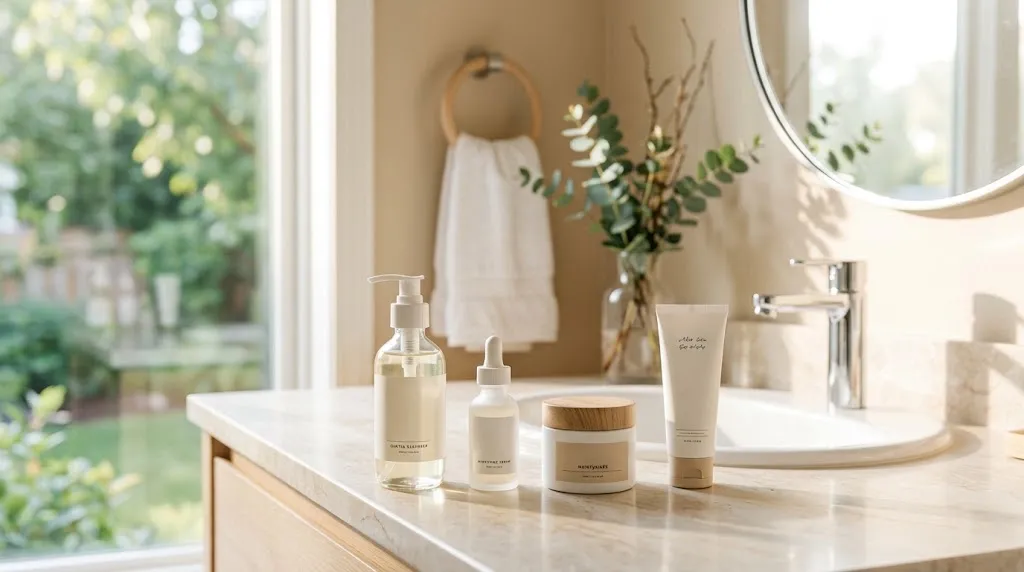
A morning routine does not need to involve multiple serums and creams. A few well-chosen products can help keep your skin hydrated and protected throughout the day.
A basic morning routine can include:
- Gentle cleansing or rinsing with water.
- A hydrating toner or serum, if desired.
- A suitable moisturizer.
- Broad-spectrum sunscreen with SPF 30 or higher.
Adjust the steps according to your skin type and climate. If your skin feels comfortable with fewer products, there is no need to add extra layers simply because they are popular.
16. Build a Consistent Evening Routine
Your evening routine is an opportunity to remove the day’s sunscreen, makeup, oil, and environmental residue while replenishing moisture.
Start with a cleanser suited to your needs. If you wear makeup or water-resistant sunscreen, consider an oil-based first cleanser followed by a gentle cleanser.
Next, apply any treatment products your skin tolerates, followed by moisturizer. You can add an essence or sleeping mask if needed, but avoid making your routine unnecessarily complicated.
Consistency helps you understand which products work for your skin and which ones may be causing irritation.
17. Use Eye Cream Only If You Need It
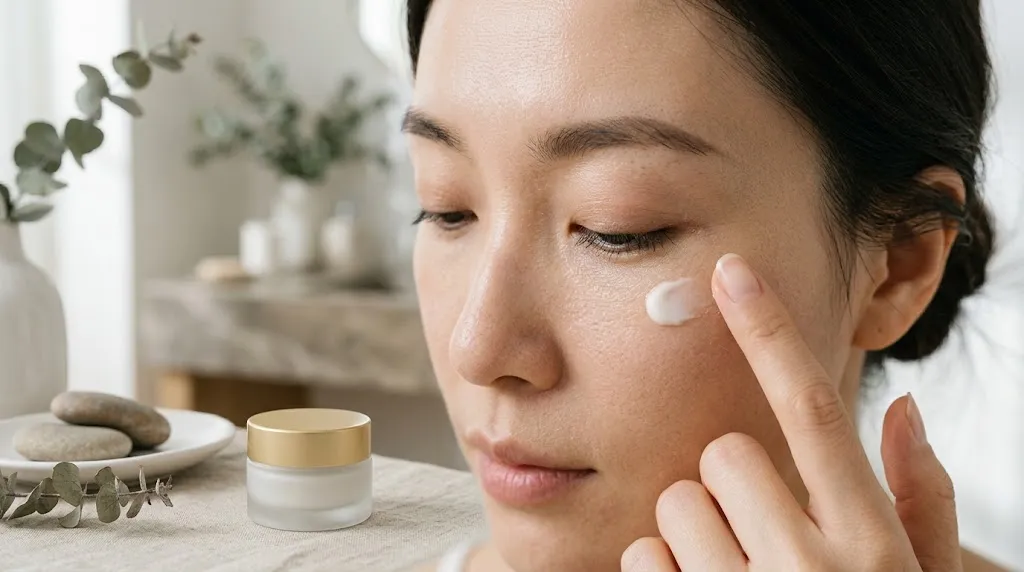
Eye creams are designed for the delicate skin around the eyes. Some provide extra moisture, while others contain ingredients intended to improve the appearance of puffiness or fine lines.
However, a separate eye cream is not essential for everyone. A gentle facial moisturizer may be sufficient if it is suitable for the eye area.
If you choose an eye cream, apply a small amount and avoid getting the product directly into your eyes. Stop using it if you experience irritation or persistent discomfort.
18. Practice Gentle Facial Massage
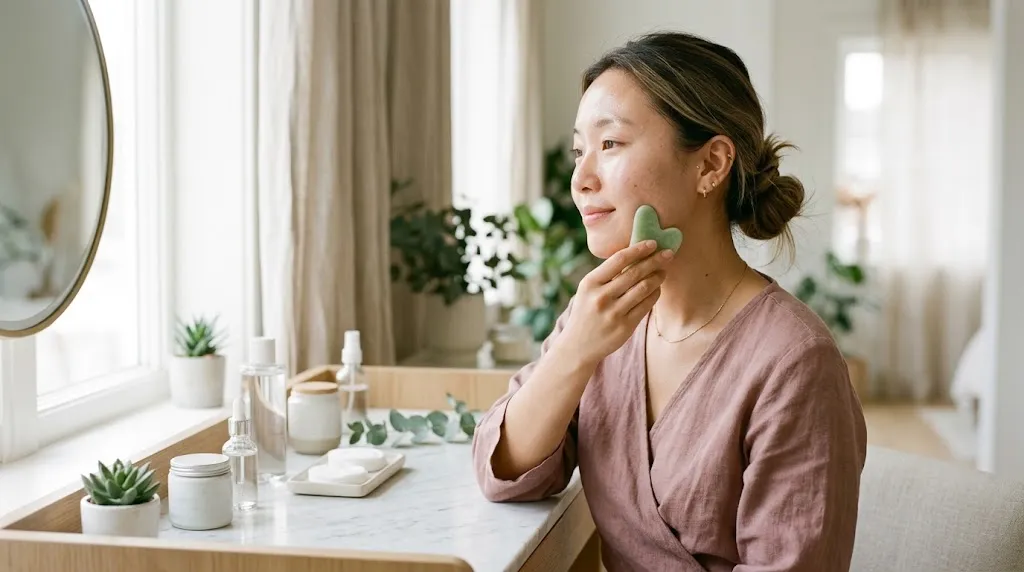
Gentle facial massage can be a relaxing addition to your skincare routine. Using clean hands, apply light pressure while spreading your moisturizer across your face.
Avoid pulling or rubbing the skin aggressively, particularly around the eyes. You do not need a special tool to massage your face.
Facial massage may temporarily reduce the appearance of puffiness for some people, but it does not permanently reshape facial features or replace skincare basics.
19. Choose Fragrance-Free Products if Your Skin Is Sensitive
Fragrance can irritate some people, particularly those with sensitive skin or a history of reactions to skincare products.
If your skin frequently becomes red, itchy, or uncomfortable after using new products, consider fragrance-free options and keep your routine simple.
Introduce products one at a time so that you can identify potential triggers. Patch testing a new product before regular use can also help you notice unwanted reactions.
20. Adapt Your Routine for Oily Skin
Oily skin can still become dehydrated. Removing too much oil with harsh cleansers may leave the skin uncomfortable and encourage a cycle of over-cleansing.
Choose a gentle cleanser and a lightweight, non-comedogenic moisturizer. Gel-based products may feel more comfortable than heavy creams, particularly in hot or humid weather.
Sunscreen remains essential. Look for a formula with a finish you enjoy wearing so that you can use it consistently.
21. Give Dry Skin Extra Moisture
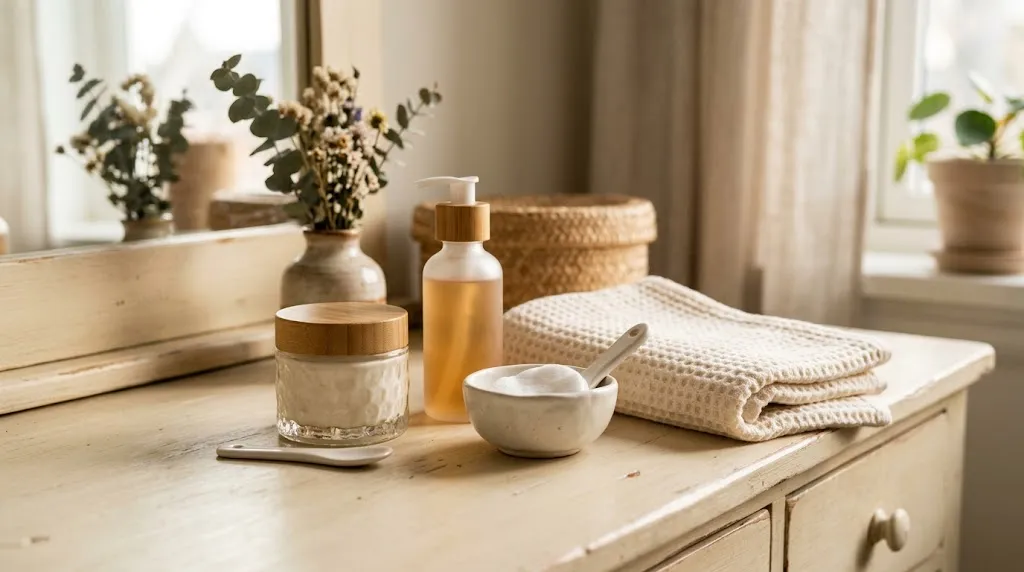
Dry skin often benefits from a routine focused on hydration and reducing moisture loss. Gentle cleansing and a moisturizer containing ingredients such as ceramides, glycerin, or petrolatum may help.
You can layer a hydrating serum beneath your moisturizer if your skin needs additional moisture. Avoid using very hot water or harsh exfoliants that can make dryness worse.
If your skin remains persistently cracked, itchy, or inflamed, consider consulting a qualified healthcare professional.
22. Balance the Needs of Combination Skin
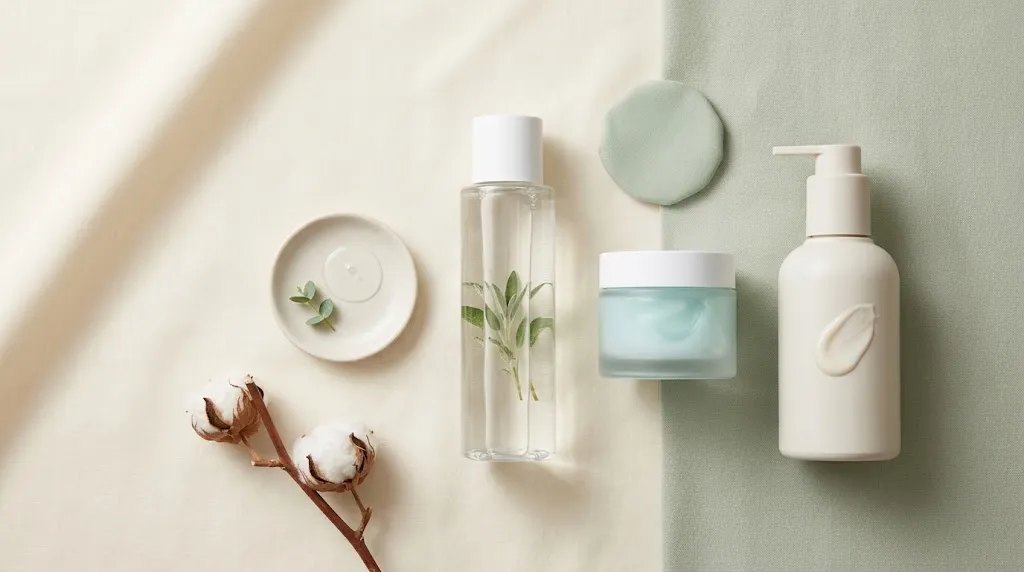
Combination skin may feel oily in the T-zone while remaining normal or dry on the cheeks. Using exactly the same amount of every product across the face may not always be comfortable.
Try lightweight hydration across your face, then apply a little more moisturizer to areas that feel dry. Keep heavier products away from areas that become greasy if they feel uncomfortable there.
The goal is to maintain balanced, comfortable skin rather than trying to eliminate every trace of natural oil.
23. Adjust Your Routine to Your Climate
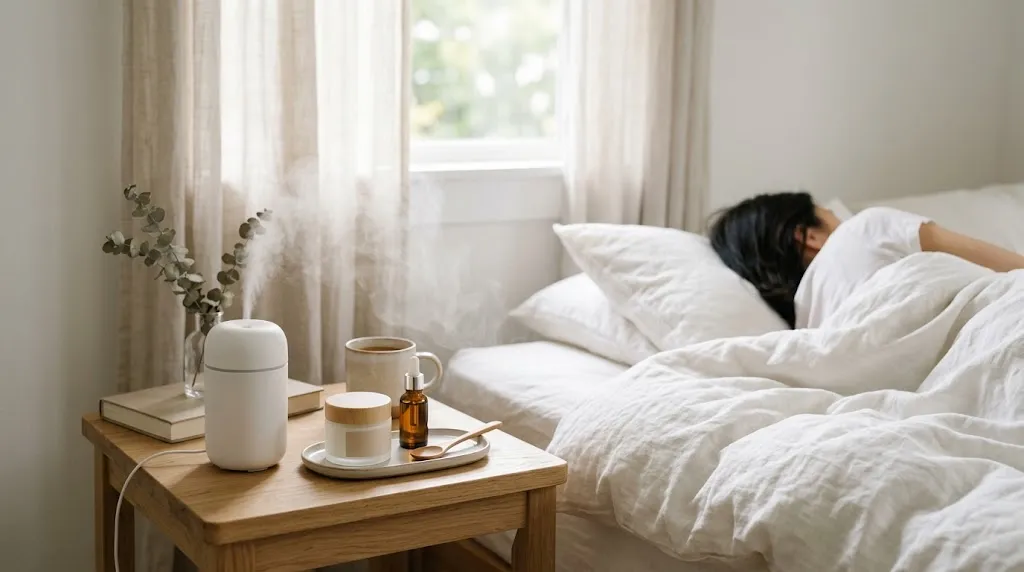
Your skin’s hydration needs may change with the weather, indoor heating, air conditioning, and humidity.
During hot, humid weather, lightweight moisturizers and comfortable sunscreen formulas may be preferable. In cold or dry conditions, a richer moisturizer may help reduce moisture loss.
Pay attention to how your skin feels instead of following a fixed number of skincare steps. Adjusting textures and product amounts can make a routine more practical throughout the year.
24. Introduce New Products One at a Time
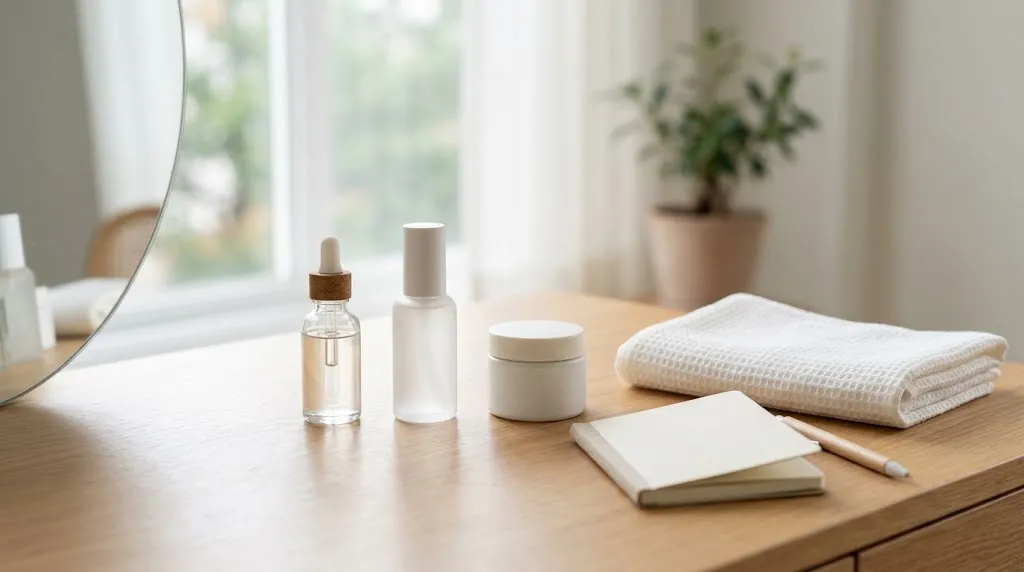
Trying several new skincare products at once can make it difficult to identify which product helps or causes irritation.
Start with the basics and introduce one new product at a time. Give yourself an opportunity to observe how your skin responds before adding another active ingredient.
Follow each product’s directions, and discontinue use if you experience a concerning reaction. Remember that more products do not automatically lead to better skin.
25. Stay Consistent Rather Than Chasing Instant Results

Glass-like skin is often presented as a perfectly smooth, poreless complexion, but real skin naturally has texture, pores, and variations in tone.
Instead of chasing an unrealistic standard, focus on skin that feels comfortable, hydrated, and healthy. A consistent routine of gentle cleansing, moisturizing, and sun protection provides a useful foundation.
Take note of how your skin responds over time and adjust your routine when necessary. Patience, suitable products, and consistency are more useful than frequently switching between trending treatments.
A Simple Korean-Inspired Skincare Routine
You can use these ideas to create a routine without purchasing every type of product mentioned in the article.
Morning routine
- Gentle cleanser or water rinse.
- Hydrating toner or essence, if desired.
- Serum, if needed.
- Moisturizer.
- Broad-spectrum sunscreen with SPF 30 or higher.
Evening routine
- Oil-based cleanser if needed to remove makeup or sunscreen.
- Gentle water-based cleanser.
- Toner or essence, if desired.
- One suitable treatment serum, if needed.
- Moisturizer.
- Optional sleeping mask when extra hydration is needed.
Exfoliants should be used separately according to their instructions and your skin’s tolerance. You do not need to use every product in every routine.
Final Thoughts
A Korean-inspired skincare routine can be simple, gentle, and adaptable. Hydrating products, a suitable moisturizer, daily sunscreen, and careful attention to your skin barrier can help support a fresh, dewy appearance.
Choose products based on your skin’s actual needs rather than following every trend. Start with a few essentials, introduce new products gradually, and maintain a routine that feels comfortable and sustainable.
The best skincare routine is not necessarily the longest one. It is the one that consistently helps your skin feel healthy, hydrated, and cared for.